Developmental Biology and Organogenesis
Exploring the basic players driving organ morphogenesis
Our lab investigates the conserved mechanisms that regulate proper tube morphogenesis in the embryo and maintain healthy organs in the adult.
Epithelial tubes are the building blocks that make virtually all organs across animals.
How do simple tubes develop into complex organs?
Our Research System
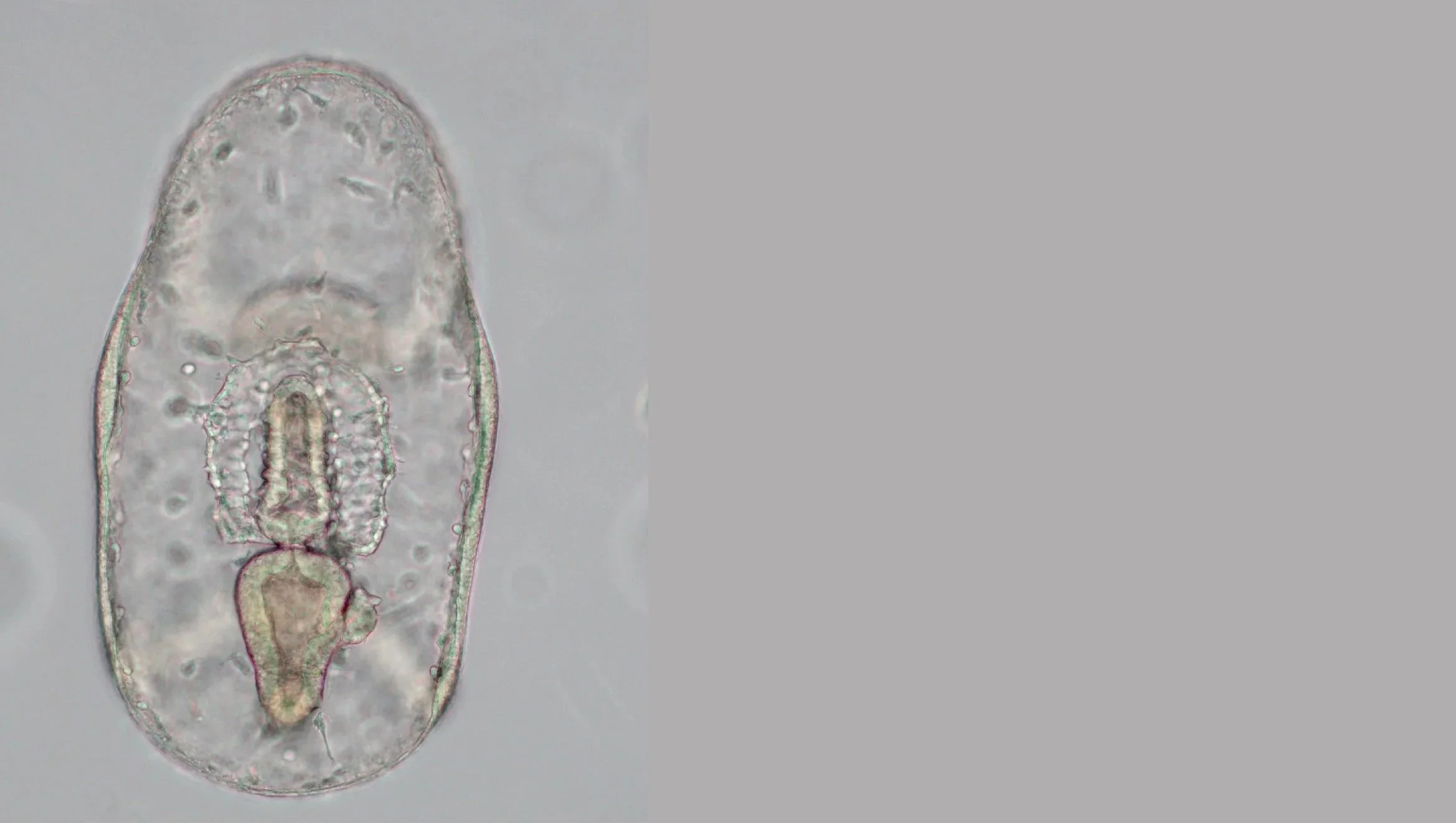
We work with the sea star larva, which is optically clear with stereotypical organogenesis.
Sea stars develop through a planktotrophic stage. Larvae are bilateral like us, meaning that their organs have a left and right side. These are fully functional animals that feed on algae, swim in the ocean and sense the external environment. Once ready, the sea star larva undergoes metamorphosis, a dramatic transformation to form the adult pentameral body.
Our standard system is the batstar Patiria miniata, which is easy to keep in the lab at low cost and make millions of eggs year-round. P. miniata has a well annotated genome and established genetic tools (i.e. CRISPR Cas9).
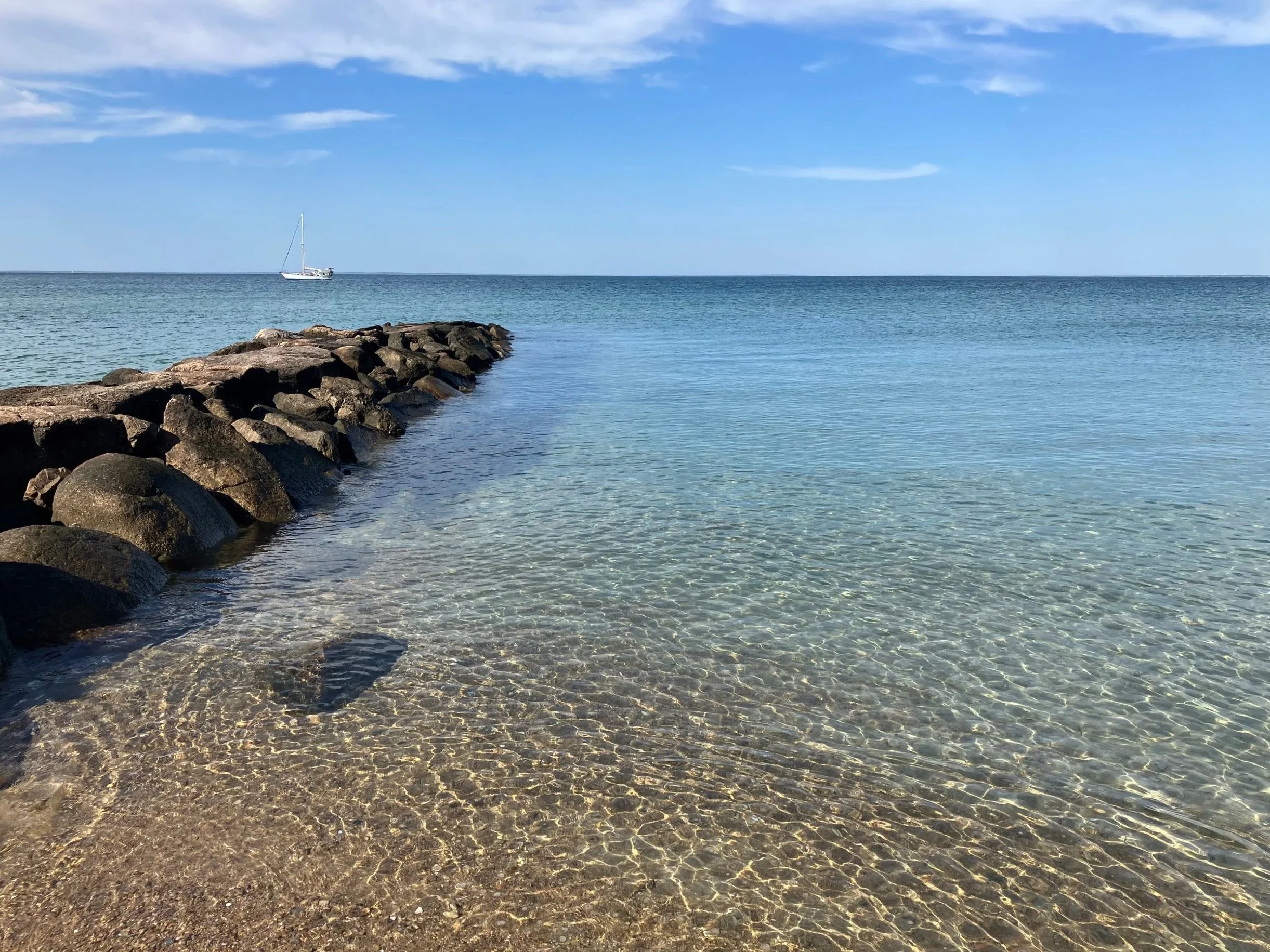
We are here:
We work at the Marine Biological Laboratory (MBL), an historical marine institute established in 1888 in beautiful Woods Hole, Cape Cod (Massachusetts, USA).
We have a vibrant year-round scientific community that includes faculty, postdocs, research assistants, graduate students and staff.